The Day of the Dead, or Día de los Muertos, is a vibrant and festive Mexican holiday that celebrates the lives of deceased loved ones. It is not a somber event, filled with tears and mourning, but rather a joyous and colorful celebration that welcomes back the departed souls for a brief visit. Central to this annual event is a rich and symbolic vocabulary that brings depth and meaning to the celebrations. Let's delve into the captivating world of Dia de los Muertos vocabulary.
This unique blend of traditional Mexican culture and indigenous Mesoamerican beliefs creates a unique vocabulary that might seem puzzling to outsiders. However, understanding these terms can unveil the depth and beauty of this cultural celebration.
Central Elements of Día de los Muertos
The Day of the Dead is a two-day celebration, starting on November 1st and ending on November 2nd. Each day is dedicated to different age groups of the deceased. This division is a key aspect of the holiday's vocabulary.


The first day, November 1st, is dedicated to the souls of deceased children, known as 'angelitos' or little angels. The second day, November 2nd, is dedicated to the adult departed, referred to as 'fallecidos'. This distinction is essential as it dictates the composition and design of the ofrendas or altars built in their honor.
Ofrendas - Altars of Remembrance
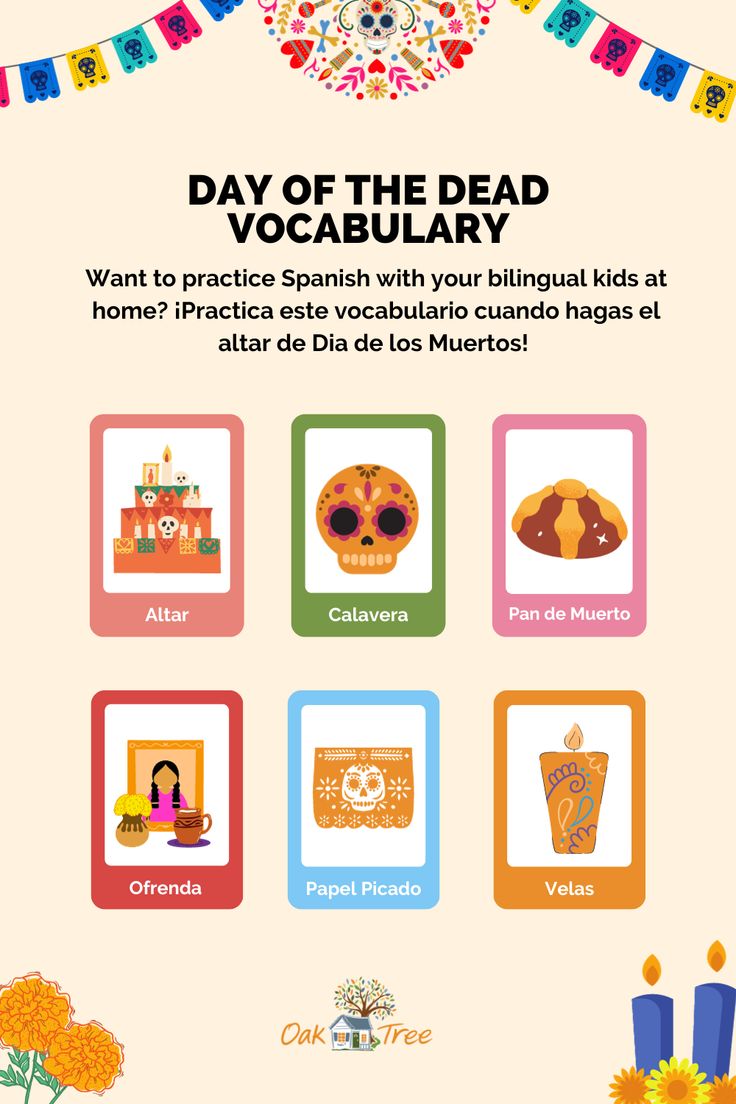
A central part of Día de los Muertos is the construction of altars, known as ofrendas, in honor of the deceased. These intricate structures serve as a spiritual bridge between the living and the dead. They are filled with symbolism and include offerings (oferendas) of food, flowers, candles, and personal mementos.


Ofrendas are typically constructed in homes, in public spaces, and alongside graves. The placement and composition of items on the altar hold significant meaning. Pan de muerto, a sweet bread in the shape of bones or figures, is a traditional offering, as are calaveras de azúcar, sugar skulls,which symbolize the departed's journey into the afterlife.
Calaveras - Skulls Representing Life and Death
Calaveras, or skulls, are symbols of mortality and the fleeting nature of life. They are often depicted in art, poetry, and music to represent death, but also to remind us of the importance of living life to its fullest. sugar skulls, called calaveras de azúcar, are sweet treats given to children as part of the Day of the Dead celebrations.
These skulls are also the basis for calavera cats, playful sugar art designs of cats wearing hats, inspired by the belief that cats guide the souls of the dead to the afterlife. Additionally, calaveras literarias are poems that honor the deceased or comment on social and political issues.




The Colorful World of Día de los Muertos
Day of the Dead celebrations is a riot of color, each one holding its own significant meaning. Understanding these colors enriches the celebration's vocabulary and adds depth to the event.
Orange is the dominant color of the season, symbolizing the delayed sunset and the transition from life to death. Marigolds, known as cempasúchil, are often used to creates paths from homes to graves, guiding the souls of the dead back to their families. Meanwhile, purple represents mourning, and white symbolizes purity and chatsity, often linked to the virgin of Guadalupe, who is deeply respected during the celebrations.
Pచandas - Traditional Festive Bread
Pan de muerto is a traditional Mexican bread that plays a significant role during Día de los Muertos celebrations. These deceased-shaped loaves are made from flour, sugar, eggs, butter, and anise seeds. They are often marked with bones or crosses on top to represent the dead.


The bread is distributed among family and friends as a symbolic offering to the departed. It's a custom belief that the souls of the dead can absorb the essence of the bread, satisfying their hunger and allowing them to rest in peace. The sharing of pan de muerto also signifies unity and shared memories among living family members.
C procession -Celebrating the Dead
A procession is a significant part of Día de los Muertos. On the night of November 1st, participants march from the church to the cemetery, carrying candles and flowers, singing songs, and praying for their departed loved ones. This procession, accompanied by vibrant music and joyous dancing, is not a somber event but a celebration of life.
It is a vital communication between the living and the dead, a moment where the barriers between the physical and spiritual worlds dissolve. It is a testament to the profound faith held by communities in the idea of remembrance, reverence, and reconnection with the departed souls.
In the end, exploring the vocabulary of Day of the Dead invites us to consider our own celebrations and remembrance rituals. It allows us to reflect on life, death, and the spaces in between. So, let's embrace the vibrant colors, rich symbolism, and festive spirit of Día de los Muertos, and continue to learn and celebrate this captivating cultural event.