The pursuit of justice and equality is a universal human ideal, one that has inspired societal progress and reform throughout history. At the heart of this pursuit lies a profound symbol, universally recognized and revered, that embodies the principles of fairness, impartiality, and balance: the scales of justice.
The symbol of justice, often accompanied by the figure of Lady Justice, has been a mainstay in legal and societal iconography for centuries. It represents the weighing of evidence and the merits of a case, with Lady Justice's blindfold signifying impartiality and indifference to social status, wealth, or personal connections.
The Scales of Justice: Symbol and Significance
The scale, balanced and steady, is a visual metaphor for the process of equitable decision-making. It symbolizes the fair and unbiased application of the law, emphasizing that everyone is subject to the same rules and standards.
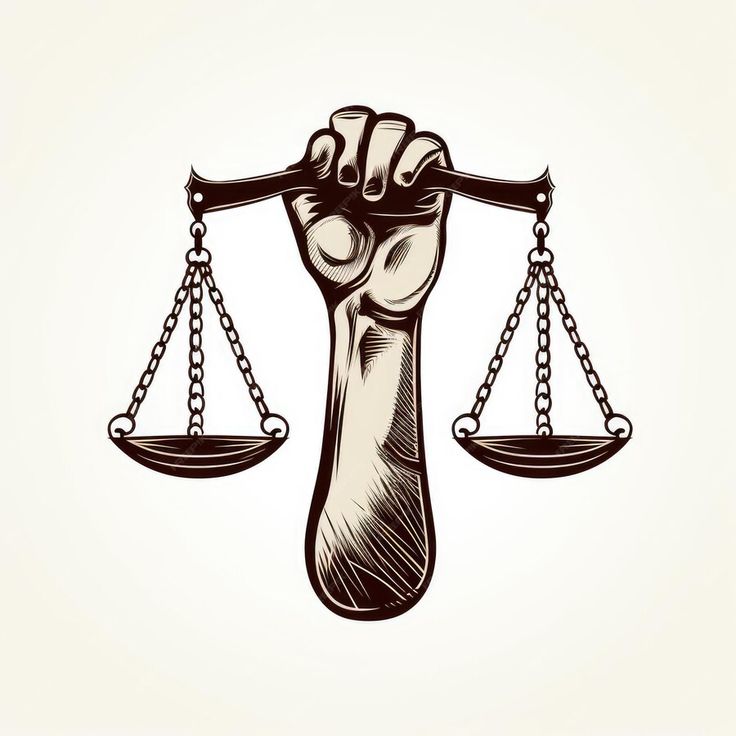


However, the symbolism extends beyond the legal sphere. The scales of justice can represent any situation where two sides must be weighed or balanced, emphasizing the importance of equanimity and fairness in day-to-day decision-making, not just in legal contexts.
Historical Roots and Evolution
The symbol of the scales dates back to ancient Egypt, with representations found in hieroglyphics and on artifacts from that period. It found its way into Greek mythology, symbolizing the goddess Themis, who personified divine law and justice. The Romans later adopted and disseminated this symbol, solidifying its place in the legal and cultural lexicon.


Over centuries, the scales of justice symbol have evolved and been adapted in various cultural contexts. The blindfold was added to represent impartiality, the figure of Lady Justice emerged, and the sword in her other hand signified authority and finality of judgment.
Global Recognition and Diversity
The scales of justice, despite their rooted history, have not remained static. They have been adapted and interpreted across cultures, with different art forms and representations. For instance, in Africa, the concept of 'ubuntu' has been interpreted through the scales, emphasizing community and interconnectedness.
From traditional Chinese depictions to modern street art, the symbol remains recognizable yet diverse, reflecting the global understanding and importance of justice and equality.


Justice and Equality in Practice: The Double Scale
While the traditional single scale represents justice, the concept of equality adds another dimension. In many modern representations, two scales are shown, side by side, symbolizing not just fairness in individual cases but balance and parity across society.
The double scale, or scales of justice and equality, embodies the ideal of equal opportunity and outcome, challenging systemic biases and advocating for broad social justice reform.
Achieving Equality in Society
The scales of equality highlight the need for societal structures that promote fairness and balance. This could range from legal policies that ensure equal rights and protections, to socio-economic measures that aim to reduce wealth disparities and provide equal access to opportunities.


In pursuit of this ideal, numerous initiatives and movements have emerged, advocating for racial, gender, economic, and environmental justice, among others. The double scale serves as a rallying point, symbolizing collective efforts towards creating a more equitable world.
Justice and Equality in Legal Systems
In legal settings, the double scale represents the pursuit of impartiality and parity. Legal professionals and institutions strive to ensure that the scales of justice are not tipped in favor of one party due to factors like wealth, influence, or identity.
However, it's crucial to note that achieving this ideal is an ongoing challenge. Legal systems worldwide grapple with issues like systemic bias, unequal access to resources, and varying interpretations of the law. The double scale serves as a reminder of the persistent struggle for fairness and balance.
As we continue to strive for justice and equality, the symbol of the scales serves as a poignant and powerful reminder. It calls us to uphold fairness and impartiality in our daily decision-making, encourages us to challenge systemic biases, and guides us towards building a more equitable world. In essence, it's not just a symbol, but a call to action, embedding the pursuit of justice and equality into the very fabric of our society.