In the vibrant panorama of urban art and design, spray painted walls have emerged as a powerful symbol of creativity, rebellion, and community expression. From modest alleyways to grand cityscapes, these bold, luminescent canvases captivate and inspire, pushing the boundaries of traditional art forms.
Spray painted walls, often associated with graffiti and street art, have evolved over decades, reflecting the cultural pulse of our cities. They are not merely vandalism, but rather, a unique art form that has earned recognition and respect in the global art scene.
History and Evolution
Traced back to the 1960s and 1970s in Philadelphia, New York, and other major cities, spray painting started as a means of expression among marginalized youth. It evolved rapidly, gaining momentum through hip-hop culture and eventually, global acceptance.


Today, cities worldwide boast stunning murals and installations that are integral to their identities. From Banksy's politically-charged pieces to Okuda's vibrant, abstract figures, spray painted walls have become iconic, particoloured statements.
Technique and Materials
Spray painted art is created using aerosol paint cans, allowing artists to produce intricate, large-scale works with relative ease. Techniques range from simple calligraphy and writing to complex, multi-layered compositions with intricate details.


A wide array of materials is available, including different types of paint, stencils, and other tools, enabling artists to experiment with textures, colour blends, and effects.
Legal Status and Recognition
The legal status of spray painted walls varies globally. In some cities, such as Berlin, it's tolerated, leading to thriving street art scenes. In others, it's considered vandalism, subject to fines and removal.
Regardless, many cities now recognize its value, creating legal walls and initiatives to encompass and promote this art form. Some, like London's Brixton and Melbourne's Fitzroy, are internationally renowned for their spray painted walls.

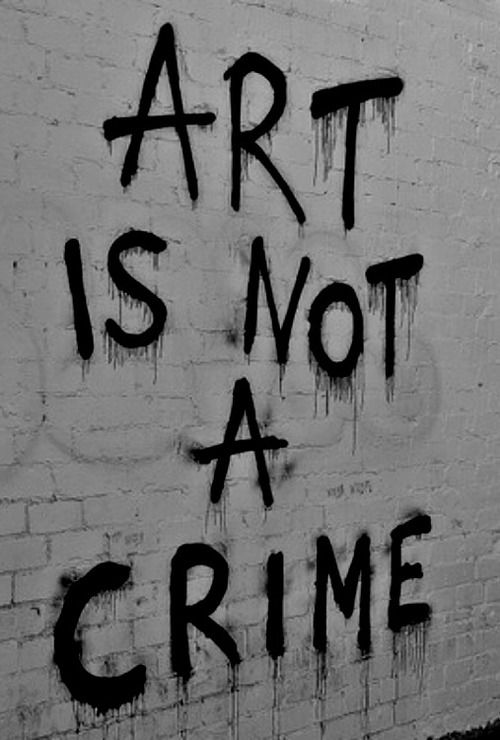


The Impact of Spray Painted Walls
Spray painted walls impact cities socially, culturally, and aesthetically. They transmit voiceless narratives, challenge norms, and spark conversation. Many contribute to gentrification, revitalising neighbourhoods and boosting local economies.
Moreover, they encourage cultural exchange, attracting tourists seeking extraordinary, authentic experiences. Notable examples include Mexico City's vibrant neighbourhoods and Sao Paulo's sprawling street art scene.
Preservation and Conservation
Preserving spray painted walls poses unique challenges due to their outdoor, weather-exposed nature. Yet, efforts are underway. In Rio de Janeiro, for instance, a|null|project uses UV-resistant, water-based paints to extend the lifespan of colourful favela murals.


Additionally, digital archiving and documentation initiatives, like the Street Art.error project, preserve artists' work and catalog worldwide street art for future generations.
Cities worldwide are increasingly embracing spray painted walls, realising their power to rejuvenate communities, share stories, and brighten urban landscapes. This vibrant, ever-evolving art form continues to inspire and challenge, leaving an indelible mark on cityscapes and culture alike.