Spray paint on walls, a phrase often associated with street art, graffiti, and urban culture, has transcended beyond cityscapes, making its way into interior design and art galleries worldwide. This versatile medium, once considered a nuisance, is now celebrated for its vibrancy, accessibility, and ability to transform spaces.
At its core, spray paint is a simple yet powerful tool. It's easy to use, relatively inexpensive, and dries quickly, making it a favorite among artists and DIY enthusiasts alike. Its cans come in a variety of colors, finishes, and effects, from matte to gloss, metallic to neon, allowing for endless creative possibilities.
The Evolution of Spray Paint Art
A product of the late 19th century, spray paint was initially used for industrial purposes such as painting cars and road signs. It wasn't until the 1960s and 1970s that it found its way into the hands of artists, giving birth to the graffiti movement in New York City subways.


Today, spray paint art is a respected form of expression, exhibited in galleries and museums worldwide. Its evolution is a testament to the power of street culture in influencing mainstream art. From political and social commentary to abstract expressionism, spray paint art now encompasses a wide range of styles and themes.
From SubwayCars to Galleries
Graffiti's journey from subway cars to gallery walls is a profound transformation, marking a shift in societal perceptions. Once considered vandalism, spray paint art is now recognized as a legitimate art form, celebrated for its raw energy, spontaneity, and technical skill.
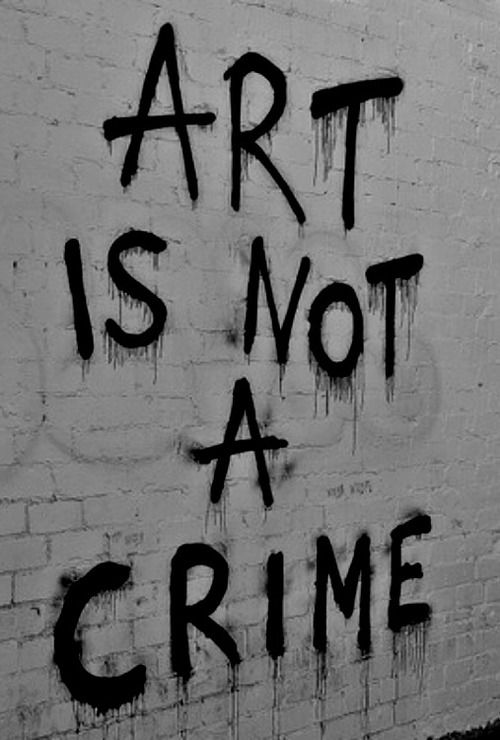


Artists like Jean-Michel Basquiat and Keith Haring, who began as graffiti artists, went on to achieve international acclaim, paving the way for other street artists. Today, names like Banksy, Shepard Fairey, and Mr. Brainwash are household names, their work commanding high prices at auctions.
The Rise of Street Art
Street art, a broader term encompassing graffiti and other forms of public art, has also gained prominence. Unlike traditional graffiti, which often focuses on lettering and bombing, street art embraces a wide range of mediums and styles, from stencil art to paste-ups, and murals to installations.
Driven by a desire to make art accessible to the masses, street artists often work illegally, transforming public spaces into vast, open-air galleries. Yet, many have also found support from local communities and art institutions, leading to commissioned works and collaborative projects.


Spray Paint in Modern Art and Design
Beyond the streets, spray paint has made significant inroads into contemporary art and design. Its bold, vibrant aesthetic lends itself well to large-scale murals and installations, often used to brighten up public spaces and community walls.
In interior design, spray paint is used to create unique, eye-catching features. From sprayed furniture and graphic wall art to customized installations, its versatility knows no bounds. Moreover, its durability and ease of application make it a popular choice for household projects.
Spray Paint Techniques and Effects
Spray paint's versatility lies in its various application techniques and effects. From fat caps for large, flowing lines to stencils for precise shapes, each technique offers a unique result. Layering, blending, and manipulating the paint can create a range of finishes, from distressed and weathered to bold and graphic.


Moreover, adding mediums like glitter, Adriano, or ink can alter the paint's consistency and color, creating unique textures and effects. Spraying through fabric or lace, or using found objects as stamps further expands the possibilities, making each piece truly one-of-a-kind.
The Future of Spray Paint Art
The future of spray paint art looks bright. With street art gaining mainstream acceptance and urban photography and film increasingly showcasing public art, more eyes than ever are turning towards the streets. Additionally, advancements in paint technology, like eco-friendly and refillable cans, are making spray paint a more sustainable option.
As of now, spray paint is no longer just about rebellion or tagging walls. It's a legitimate, widely-recognized art form, a tool for expression, and a powerful means of transforming our urban landscapes. Its continued evolution promises even more exciting developments in the years to come.
So, go ahead, pick up a can, let your imagination run wild. Who knows? You might just be the next street art phenomenon. Or at the very least, transform your living space into a vibrant, unique canvas.