Pouring red wine seems like a simple task, but like many things, there's a technique involved to ensure you're serving your wine at its best. Mastering the art of pouring red wine not only enhances the wine's flavor but also adds a touch of elegance to any occasion.
Wine lovers often talk about "legs" in wine, referring to the tears or streaks that flow down the inner side of the glass after pouring. These are an indicator of the wine's alcohol content and viscosity. But, pouring to the right level in the glass is equally important to appreciate these features without spillage or loss of the wine's bouquet.
Understanding Wine Glasses and Tilt
First, let's talk about the wine glass. Different wines are meant to be served in specific glass shapes to maximize their aromas and flavors. For red wines, larger bowls are generally preferred to give the wine enough room to breathe. A standard red wine glass typically has a capacity of around 22-24 ounces.


Now, let's discuss the pouring technique. When pouring red wine, it's essential to tilt the glass. Tilting the glass prevents excessive wine from being poured and also allows you to control the "legs" that form post-pour.
Tilt Angle
The angle at which you tilt the glass is crucial. A good rule of thumb is to tilt the glass at a 45-degree angle. This angle provides enough space for the wine to flow into the glass without it spilling over.


Another benefit of tilting at a 45-degree angle is that it allows the wine to maintain some contact with the air, helping to release its full range of aromas. However, be careful not to tilt too much, or you might end up with an unstable glass that can easily topple over.
Amount to Pour
The amount of wine to pour can vary depending on the occasion and your personal preference. However, a common guideline is to pour about 5-6 ounces of wine for a standard serving. This amount provides enough wine to taste various aspects of the wine without overfilling the glass.
For tastings or when trying to examine the wine's "legs," you might want to pour less, around 2-3 ounces. This smaller serving size allows for easy swirling and better appreciation of the wine's characteristics.



Technique and Practice
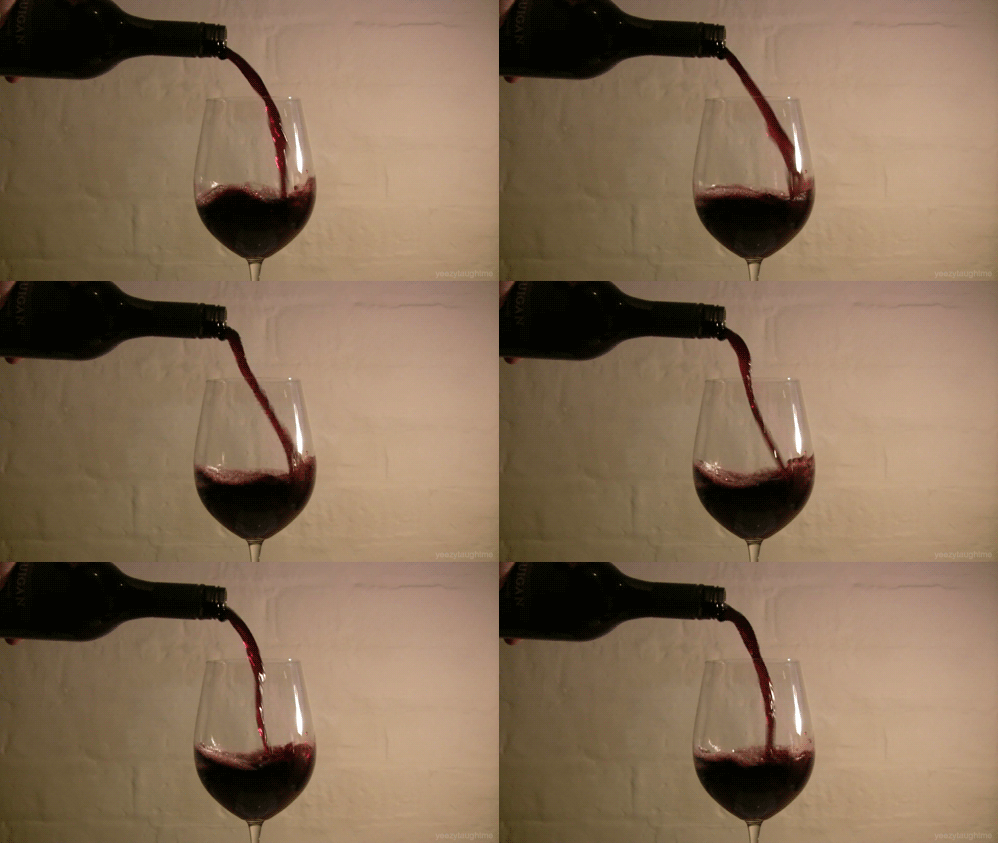
Once you've tilted your glass and decided on the amount to pour, the technique becomes straightforward. Slowly pour the wine into the tilted glass, ensuring it flows down the side of the glass rather than directly into the center. This approach prevents excessive wine from being poured and helps to maintain the wine's temperature.
As you pour, keep an eye on the wine level. When it reaches the base of the glass's bowl, carefully stop pouring. This should give you a nicely filled glass without any excess. Practice makes perfect, so don't hesitate to pour and practice until you master the technique.
Serving Various Red Wines
While the basic technique remains the same, the pouring approach might vary slightly depending on the type of red wine. For instance, lighter-bodied reds like Pinot Noir benefit from being poured into a slightly different type of glass, with a more narrow bowl, to help retain its delicate aromas.


On the other hand, full-bodied reds like Cabernet Sauvignon can be poured into a wider glass, giving them more space to open up and release their bold flavors. Regardless of the wine, always remember to pour slowly and tilt the glass to maintain control over the pour.
Mastering the art of pouring red wine is a skill that takes practice but is well worth the effort. Not only does it ensure you're getting the most out of your wine, but it also adds a touch of grace to any gathering. So, the next time you pour a glass of red, remember these tips and enjoy the entire experience, from decanting to your first sip.