Ever wondered how Custom Number Plates come to life? The answer lies in the craftsmanship and technology behind the Number Plate Maker. These are not just ordinary printed plates, but personalized expressions of identity, status, or wit, carefully crafted to adorn vehicles worldwide.
The journey of a number plate begins with an idea, which is then transformed into reality by these specialized manufacturers. But what exactly goes into the creation of a number plate, and how have these processes evolved over time? Let's delve into the world of number plate making, exploring the techniques, materials, and technology that bring these personalized plates to life.
Traditional Methods of Number Plate Making
In the past, number plates were primarily manufactured using manual methods. These traditional techniques involved handcrafting each plate, one at a time.


Blind embossing, for instance, was a popular technique. Here, a mold was used to press letters and numbers onto a heated piece of material, typically acrylic or metal. This process required immense skill and patience, ensuring each character was carefully positioned and pressed to create a crisp, legible finish.
Die Stamping
Another traditional method was die stamping. This involved creating a metal die for each character, which was then used to cut or stamp out the letters and numbers. Although more efficient than blind embossing, die stamping required considerable upfront investment in creating the dies and was less suitable for personalized, one-off plates.
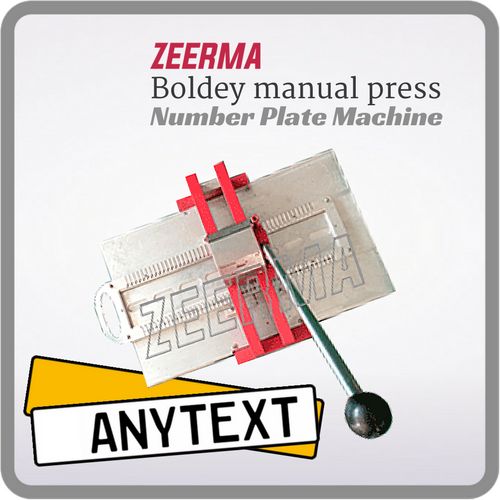


However, with the advent of modern technology, these traditional methods have largely been superseded. But before we explore the modern methods, let's delve into the materials used in number plate making.
Materials Used in Number Plate Making
Traditionally, number plates were made from metal, usually aluminum due to its durability and lightweight nature. However, in recent years, plastics like acrylic have gained popularity due to their versatility, durability, and lower cost.
Reflective materials have also become commonplace, enhancing nighttime visibility. These include retro-reflective materials, which reflect light back to its source, and glass bead-based reflectives, which scatter light outwards. Some modern number plates also incorporate advanced features like LED illumination for enhanced readability in darkness.


Modern Methods of Number Plate Making
The production process has evolved significantly with the introduction of advanced manufacturing technologies, notably digital printing and laser engraving.
Digital printing has revolutionized the industry, enabling on-demand, personalized plates at a scale and speed never before possible. This method uses specialized printers to direct print letters and numbers onto the plate material, providing high-quality, long-lasting results.
Laser Engraving
Laser engraving is another modern technique that offers exceptional precision and durability. It involves using a laser to ‘burn’ the required text and design onto the material, creating a permanent, deeply etched finish. This method is particularly suitable for metallic and reflective materials.


In addition to these primary methods, some manufacturers also employ techniques like vinyl cutting, which involves using a computer-controlled cutter to create adhesive-backed letters and numbers, which are then applied to the plate. This method is often used for decorative, non-official plates.
Technological Advancements in Number Plate Making
Aside from these manufacturing methods, a range of supporting technologies have emerged to streamline the number plate making process. These include design software, which enables customers to create bespoke designs, and nesting software, which optimizes the cutting path to minimize waste.
Automated quality control systems are also becoming commonplace, ensuring consistency, legibility, and regulatory compliance in every plate produced. Moreover, the industry is increasingly embracing Industry 4.0 technologies, such as the Internet of Things and artificial intelligence, to enhance productivity, efficiency, and flexibility.
So, the next time you spot a personalized number plate, remember the craftsmanship, technology, and innovation that went into its creation. And if you ever have the urge to create your own, there's a world of number plate makers ready to bring your unique idea to life. Happy crafting!