Ever been intrigued by those delightful animated GIFs that seem to sparkle with every loop? You might be witnessing a magical blend of visual storytelling and the elusive power of static electricity. Let's delve into how these transparent marvels captivate us.
GIFs, or Graphics Interchange Format, were introduced in 1987 by a team at CompuServe. They were designed to intrigue and captivate, and that's precisely what they do, often leveraging an intriguing phenomenon perteneciente to static electricity.
Understanding Static Electricity in GIFs
Static electricity, a phenomenon arising from the buildup of electric charges, can be harnessed to create mesmerizing visual effects. In the realm of GIFs, this translates to dynamic visual illusions, sometimes perceived as transparency effects.


But how does static electricity manifest in GIFs? It's not about charge buildup between pixels, but rather, the clever use of color, contrast, and frame transitions. Let's explore this through two key aspects:
The Role of Color
Static electricity, often seen as a spark or glow, is implicit in GIFs through the strategic use of color. Bright, often neon hues coupled with rapid transitions mimic the burst of light characteristic of a static discharge.


Take, for instance, the classic "Sparkle" GIF. Here, the abrupt change from dark to bright colors, coupled with fast frame transitions, simulates the instantaneous power of static electricity, captivating viewers.
Contrast and Layering
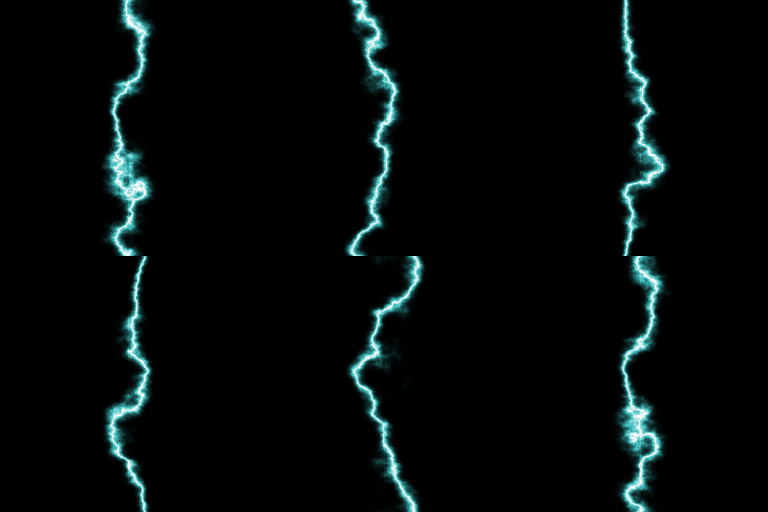
Another manifestation of 'static electricity' in GIFs involves contrast and layering. By placing high-contrast images atop each other, with a bit of transparency, creators can mimic the shock of static electricity. Imagine a lightning bolt burst in a dark sky - that's the essence of static electricity in GIFs.
In 'Glitch Art' GIFs, layers of images are sometimes intentionally mixed to create a 'glitch' or disturbance, reminiscent of the unpredictability of static electricity.


Transparent Magic: GIFs and Perceived Transparency
One of the most intriguing 'static electricity' effects in GIFs is the perception of transparency. This isn't a physical state, but a clever trick played on the viewer's brain, expertly done by GIF creators.
Through rapid, subtle frame changes, GIFs can create the illusion of transparency. Have you ever marveled at a GIF where a shape or image seemingly floats in front of a moving background? That's an example of this visual trick, harnessing the perceived ' Beziehungen between frames to create a captivating effect.
Frame-by-Frame Manipulation
The key to creating this transparency effect lies in frame-by-frame manipulation. A GIF is essentially a sequence of images displayed in rapid succession. By subtly altering the content or position of elements in each frame, creators can create the illusion of transparency.


For example, imagine a GIF where a cartoon cad dream is walking down a city street. Each frame has a slightly different position of the cad dream, with buildings and trees fluctuating behind. This rapid, carefully controlled disruption creates the illusion of the cad dream walking freely, as if transparent, through the cityscape.
Color and Light Effects
Color and light effects also play a role in perceived transparency. Flashes of light or color can create moments of 'ghostly' visibility, as though an object is becoming temporarily transparent.
Take the classic 'Glitching' GIFs, where images flicker between states, sometimes appearing to phase in and out of existence. This is a colorful, light-filled representation of static 'electricity', harnessing the viewer's perception of transparency.
In the end, these GIFs aren't truly displaying static electricity. Rather, they're playful, creative interpretations that leverage our understanding and perception of this phenomenon. They remind us that digital art, like all art, is a form of communication, a subtle language that we, as viewers, participate in.