In the dynamic world of business, understanding the value of your brand is as crucial as tracking sales and customer numbers. Brand equity, a relatively intangible concept, is a significant determinant of a company's market value and future growth prospects. Measuring it, therefore, becomes a vital aspect of strategic planning and growth initiatives.
Brand equity, in essence, is the commercial value that derives from consumer perception of the brand name itself. It's the sum of a brand's strengths, weaknesses, and the emotional connection consumers have with it. Measuring brand equity helps businesses assess the brand's health, identify areas of improvement, and track changes over time.
Key Aspects of Brand Equity Measurement
Measuring brand equity involves a multi-faceted approach, assessing various aspects that collectively define a brand's value.


The process typically begins with understanding the brand's mission, vision, and unique value proposition. It then delves into consumer perceptions, market positioning, and competitive landscape, culminating in a comprehensive evaluation of the brand's perceived value and market dominance.
Consumer Perception and Attitude
Consumer perception and attitude towards a brand are central to brand equity measurement. Techniques such as surveys and focus groups help gather insights into consumer awareness, familiarity, and image of the brand.


Key metrics include brand recall (how easily consumers remember the brand), brand recognition (the proportion of consumers who recognize the brand), and brand image (consumers' perceptions about what the brand stands for).
Market Positioning and Reputation
Analyzing a brand's market positioning and reputation provides insights into its competitive advantage and differentiation. This involves assessing the brand's value relative to competitors, its reputation for quality, service, and innovation.
Brand equity measurement may useТеhers like brand association (which brands come to mind when thinking about a particular product/service), brand personality (what kind of attitudes and values the brand represents), and brand differentiation (what makes the brand unique).


Brand Equity Measurement Frameworks
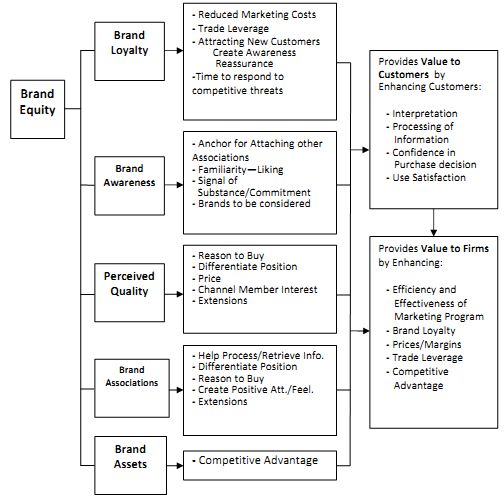
Several frameworks exist to quantitatively measure brand equity. Two of the most widely used are the Aaker Model and the Keller's Customer-Based Brand Equity (CBBE) Framework.
1. Aaker Model: This model measures brand equity through four dimensions - brand awareness, brand association, perceived quality, and brand loyalty, with weighted scores coalescing into a final brand equity score.
The Aaker Model Dimensions
**Brand Awareness** encompasses brand recall and recognition. Higher awareness scores indicate stronger brand equity.


**Brand Association** evaluates the brand's image, qualities, and values, providing insights into consumer perceptions of the brand. Associations can be functional (e.g., performance, convenience) or emotional (e.g., excitement, status).
**Perceived Quality** assesses consumers' beliefs about the brand's superiority regarding features, performance, and reliability relative to competitors.
**Brand Loyalty** measures the likelihood that consumers will continue to purchase the brand over others, indicating emotional commitment and satisfaction with the brand.
Keller's CBBE Framework
Keller's CBBE framework also uses four dimensions but focuses more on consumer-based metrics. It assesses brand awareness, brand associations, perceived quality (similar to Aaker), and "residual brand equity," which captures the emotional connection and goodwill consumers have towards the brand.
The framework uses a model that calculates brand equity as the sum of brand awareness and brand associations, multiplied by perceived quality and residual brand equity.
Beyond Metrics: Leveraging Insights for Strategic Decisions
Measuring brand equity is not an end in itself but a means to inform strategic decisions. It helps businesses to:
- Identify growth opportunities and strategic partnerships based on brand strengths and weaknesses.
- Inform marketing strategies by understanding what resonates most with consumers and how the brand is perceived in the market.
- Monitor brand health and track progress against brand objectives, ensuring consistent reinforcement of brand values.
In a rapidly evolving business landscape, understanding and measuring brand equity is not a one-time activity. Instead, it's an ongoing process that provides a holistic view of a brand's health, aiding businesses in building sustainable, long-term brand value.