The digital landscape has transformed how businesses operate and communicate, with social media platforms becoming vital hubs for engagement and growth. Hashtags (#) have emerged as powerful tools for businesses, enabling leaders to widen their reach, enhance branding, and foster community. As a business leader, mastering the art of using hashtags can significantly boost your online presence and drive success. So, let's delve into the world of hashtags and explore how business leaders can maximize their impact.
Hashtags are not just about inserting a pound sign and a keyword into your posts. They are strategic components of a robust digital marketing strategy. To leverage hashtags effectively, you must understand their dynamics, functions, and best practices. Let's start by discussing the fundamentals.
Understanding Hashtags: Dynamics and Functions
Hashtags serve multiple purposes, making them indispensable in a business leader's social media arsenal. Essentially, they act as a filter, categorizing content and making it discoverable. When you use a hashtag, your post becomes visible to anyone searching for that specific term, increasing your post's organic reach.
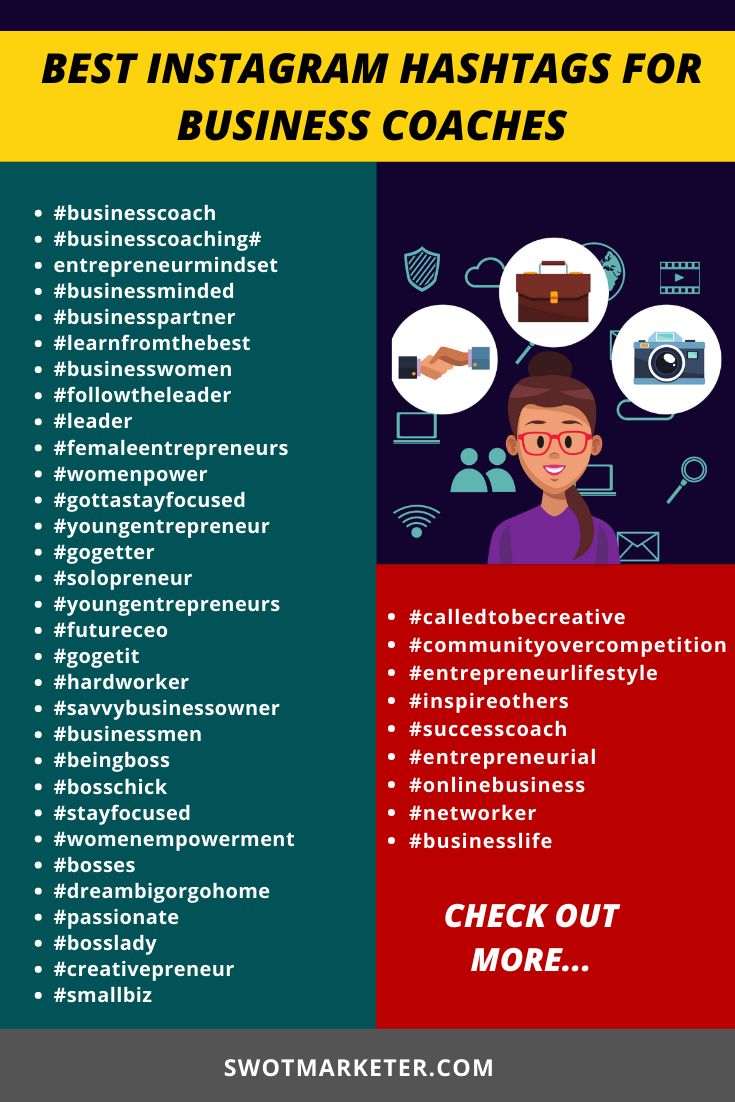


Hashtags also enhance branding and create communities. For instance, a business can create a unique, branded hashtag (a 'brand hashtag') that customers can use when posting about the company. This not only encourages user-generated content but also fosters a sense of community around the brand.
Hashtag Lifecycle and Popularity
The popularity of a hashtag is not static; it blossoms and wanes over time. Understanding this lifecycle can help you identify trending hashtags that can amplify your posts' reach. For example, industry-specific conferences or events often spawn temporary trends, providing opportunities for business leaders to ride the wave of popularity.


However, `#Event2021` would not have the same impact a month post-event. Therefore, staying updated with trends and using tools that track hashtag popularity can provide a competitive edge.
Hashtag Types: Broad, Specific, and Branded
Broad hashtags (#marketing, #business) have high reach but low relevance, while specific hashtags (#DigitalMarketingTips, #BusinessGrowth) have lower reach but higher relevance. Branded hashtags (#McDonalds, #AdidasOriginals) are unique to a brand and encourage user-generated content. Balancing these types in your strategy can drive optimal results.
To create an effective hashtag strategy, understanding the dynamics and functions of hashtags is the first step. The next crucial aspect is knowing how to use them effectively.


Best Practices for Business Leaders: Using Hashtags Effectively
Effective hashtag use involves a delicate balance between being discoverable and spammy. Let's explore some best practices to strike this balance.
tableau { border-collapse: collapse; width: 100%; } th, td { border: 1px solid #ddd; text-align: left; padding: 8px; } tr:nth-child(even){background-color: #f2f2f2;} }
How Many Hashtags to Use?
Platforms like Instagram allow up to 30 hashtags per post, but that doesn't mean you should use them all. Studies suggest that posts with 11-30 hashtags on Instagram get the most engagement. However, quality trumps quantity. It's better to use fewer, relevant hashtags than tons of irrelevant ones.


fracaso { font-family: Arial, sans-serif; border-collapse: collapse; width: 100%; } th, td { border: 1px solid #ddd; text-align: left; padding: 8px; } tr:nth-child(even){background-color: #f2f2f2;} }
Creating Your Own Branded Hashtag
Creating a unique, memorable hashtag that embodies your brand's voice can significantly boost user engagement and encourage user-generated content. Make it clear, easy to understand, and easy to remember. Once created, promote it consistently across all platforms and encourage customers to use it.
Remember, a well-crafted hashtag strategy is not a set-and-forget process. It requires constant review, innovation, and adaptation. Track your hashtags' performance, learn from what works and what doesn't, and adjust your strategy accordingly.
In an ever-evolving digital landscape, staying ahead of the curve requires continuous learning and adaptation. Hashtags, as powerful tools for businesses, are no exception. Embrace their dynamics, understand their functions, and consistently refine your strategy for optimal results.